Diagnosing operational constraints, improving performance, integration of systems and processes.
What PCS Delivers.
Operations control: setup, optimisation, systems, training
Disruption management: decision making, training, strategies, tools
Data analysis. Understanding what is happening
Process workflows: integrating department processes
Managing growth and day to day performance
Decision making and ops control
When Operations Slow Down, Everything Slows Down.
Operational friction rarely announces itself clearly. It shows up as inconsistent performance, rising costs, frustrated teams, and decisions that take longer than they should. The source of the problem is often not where it appears to be. A process issue turns out to be a structural one. A performance gap turns out to be a resourcing one. PCS improves operations through structured analysis and disciplined execution. The starting point is always a clear diagnosis. From there, the work is targeted, staged, and measurable.
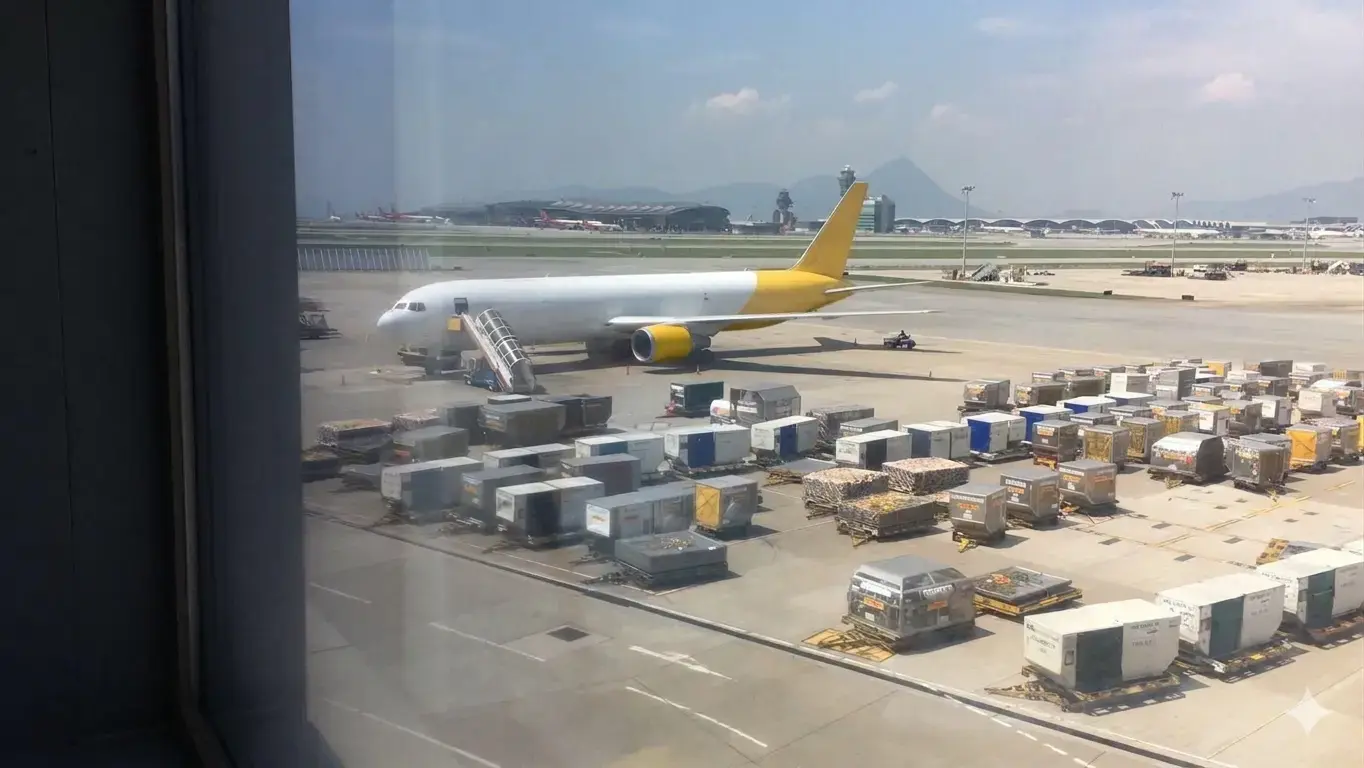
Operations Performance & Logistics: Air Cargo Operations
Purpose
To demonstrate how a redesign of cargo handling operations delivered improved efficiency, reduced costs, and ensured compliance with new security requirements.
Background
An airline introduced larger aircraft with increased freight capacity while facing new regulatory security requirements. The existing cargo handling model — built around a dedicated aircraft loading facility — was not designed to accommodate this added complexity at scale.
Challenge
Initial efforts focused on adapting the current process to incorporate new security measures. This resulted in increased operational complexity, inefficiencies in freight handling, and underutilisation of expanded cargo capacity.
Strategic Shift
A decision was made to reassess core operating assumptions rather than continue incremental adjustments. The key change was to decouple aircraft from the dedicated loading facility and transition operations to the airport’s common-user cargo apron.
Key Outcomes
Compliance: New security requirements integrated without additional process burden
Customer Impact: Sustainable improvements in delivery times for international shipments to customers
Asset Utilisation: Increased freight capacity usage across the fleet
Cost Efficiency: Reduced aircraft ground handling and operating costs
Business Impact
The shift delivered both operational and commercial value — enhancing service levels while lowering cost-to-serve. It also improved scalability and positioned the operation to respond more effectively to future regulatory or demand changes.
Key Insights for Leaders
- 1
Reassessing entrenched operating models can unlock significant performance gains
- 2
Incremental process changes are often insufficient in the face of structural shifts
- 3
Flexibility in infrastructure and operations is critical for resilience
- 4
External pressures can be leveraged as catalysts for transformation
Next Steps / Considerations
- •
Evaluate other legacy operational constraints across the network
- •
Identify opportunities to further decouple fixed infrastructure dependencies
- •
Embed continuous improvement and challenge-based review processes
- •
Assess scalability of this model across additional ports or regions
Operations Under Pressure?
Operational problems rarely fix themselves. The longer the friction stays in the system, the more it costs in performance, people, and time. A structured diagnostic is the fastest way to understand where it is coming from.
Typically responds within 24 hours