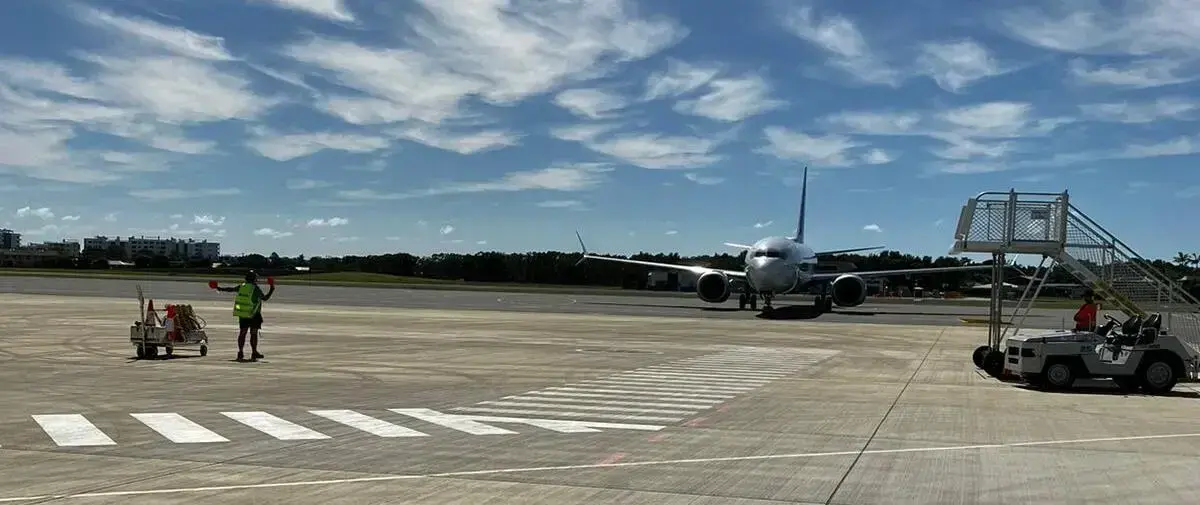
Precision Across Flight Operations, Ground Operations, and New Operations.
What PCS Delivers.
Resetting strategy, operations, organisation structure, capability, and cost containment
Start up: AOC development, Regulator interface, and operations capability
Establishing new operations, organisation structure, and capability
Flight and ground operations optimisation
Interface with Regulators
Crisis response and operational stabilisation
Contract negotiation and operational governance
Project management
Operations systems selection and workflow integration
Aviation Does Not Forgive Imprecision.
Aviation is complex. High costs, tight margins, strong regulatory framework, and vulnerability to existential risks, means it needs constant evaluation and, at times targeted intervention to stay safe, relevant and viable. Whether you are starting from a blank sheet of paper or navigating the pressures of an established operation, PCS understands the environment from the inside. That means being out of the blocks and ready to identify what is needed, find the best path to achieve it, and work alongside the team to make it happen.
Structured Entry. Targeted Intervention. Clean Exit.
Most aviation engagements begin with a regulatory or operational trigger. PCS enters with a rapid diagnostic of the SMS, operations manuals, organisational structure, and key personnel. From there, the structural gaps are identified and a prioritised response is designed. A resolved engagement means you have a plan, with identified risks and benefits and a set of interventions to make changes and communicate the road to improvement.
PCS works with small to medium sized aviation operations including flight training organisations, airlines, airports, and ground handling companies seeking to improve operational performance, reduce costs, and strengthen revenue.
Flight Crew Productivity & Wellbeing Optimisation
CONTEXT
Flight crew utilisation is a multi-variable system influenced largely by internal policy, rostering practices, and technology. Historically, productivity (block hours flown) and wellbeing (days off) have been treated as competing priorities.
APPROACH
A holistic operational review was undertaken, focusing on:
- •
Revising non-safety-critical crew utilisation constraints
- •
Evaluating the trade-off between flying hours and days off
- •
Deploying optimisation technology to improve rostering outcomes
- •
Aligning stakeholder incentives across management and crew
Key Insight
Contrary to conventional assumptions, increasing access to days off can coexist with higher productivity when supported by optimised systems and revised rules.
Outcome
An increase in flight crew productivity
Improved average monthly days off per crew member
Enhanced crew satisfaction and bid success rates
Implications for Leadership
- 1
Incremental policy changes in isolation will not deliver results; system wide optimisation is required
- 2
Investment in advanced crew planning systems is a critical enabler
- 3
Productivity gains can be achieved without eroding workforce wellbeing
Recommendations
- 1
Continue refining crew rules with a data-led approach
- 2
Maintain continuous performance measurement and iteration
- 3
Align KPIs across operations and workforce engagement
- 4
Review degree of optimisation based on recrewing complexity during disruption (Day of Ops).
Takeaways
1. Holistic optimisation outperforms isolated improvements in complex airline operations
2. Counterintuitive strategies can deliver superior outcomes when supported by data and systems
Ready to Talk About Your Aviation Operation?
Whether you are starting up, restructuring, or navigating a regulatory challenge, the conversation starts with a clear picture of where you are and where you need to be.
Typically responds within 24 hours